Smart, Sustainable Garden Tricks for a Self-Cufficient Home Space
Practical strategies for blending home improvement with gardening flair, creating a cohesive interior–exterior flow that shines with sustainable decor and easy maintenance.
Rethinking the Garden as a Living Extension of Home
When you approach gardening as an extension of interior design, you begin to see every plant, pathway, and seating area as part of a cohesive story. The goal is to harmonize textures, colors, and forms so the outdoors feels like a natural continuation of your living space. A well-planned garden supports practical needs—shading, privacy, and entertaining—while elevating decor with seasonal interest and thoughtful details. For busy households, an automatic mindset toward maintenance helps you enjoy the space rather than manage it constantly, and automatic lawn mower can be a welcome ally in this transition toward effortless curb appeal.
Begin with zoning the yard into functional micro-habitats: a dining corner, a sunlit reading nook, a shaded play area, and a fragrant border. Each zone should reflect your home improvement goals while maintaining a sense of continuity through repeated materials and colors. Gardening becomes a form of decor when you treat plant groupings like art installations, using rhythm, scale, and negative space to guide the eye and invite lingering, conversation, and comfort.
Choosing Planting Schemes That Mirror Interior Styles
Think of plant palettes as you would color swatches for a room. Neutral greens with pops of seasonal bloom create a flexible foundation that works across multiple decor themes. For a modern interior, lean into architectural grasses, evergreen hedges, and sculptural perennials with clean lines. For a cozy, rustic vibe, mix textured foliage with flowering shrubs and warm-toned natives that age gracefully with seasonal changes, requiring less frequent attention.
Typography and texture matter outdoors as much as indoors. Layer plants from groundcovers up to small trees to add height dynamics, and use containers to mirror the shapes of indoor planters. This approach allows you to swap in seasonal blooms or move specimens for weight, creating a living decor narrative that evolves with your interior renovations and the changing light of each season.
Soil Health as the Foundation of Interior-Like Longevity
A thriving garden starts with soil that supports robust roots and resilient growth. Test and amend soil with compost, balanced fertilizers, and appropriate pH levels to sustain both edible plants and ornamental varieties. Regular mulching reduces water loss, suppresses weeds, and slowly feeds the soil biology, which in turn stabilizes plant health. Consider companion planting to maximize nutrient use and create a more self-sufficient landscape that mirrors a well-tended interior with low maintenance demands.
Healthy soil also moderates moisture, which protects plantings through dry spells and heavy rains alike. Integrated pest management reduces chemical reliance while preserving beneficial insects. A proactive routine—mulch, monitor, and adjust—offers a stress-tested foundation for a garden that remains elegant and productive across seasons, echoing the dependable character we expect from a refined interior space.
Water-Wise Practices that Look as Good as They Work
Efficient irrigation supports both plant well-being and water conservation, a critical alignment with modern home improvement ethics. Drip lines, micro-sprayers, and smart controllers deliver targeted hydration with minimal waste, while rain gardens and bioswales capture runoff and create living textures along borders. Even small yards benefit from a well-planned watering schedule that aligns with weather patterns, reducing stress on roots and preserving soil structure for long-term health.
Pair water-wise practices with aesthetic additions like ornamental grasses, drought-tolerant perennials, and reflective surfaces that help distribute moisture more evenly. Decorative mulch and stone pathways can guide foot traffic without harming soil structure, supporting a garden that remains attractive and functional even in dryer seasons. The result is a landscape that feels calm, ordered, and thoughtfully engineered—much like a carefully curated interior plan.
Outdoor-Indoor Transitions: Creating Seamless Access Points
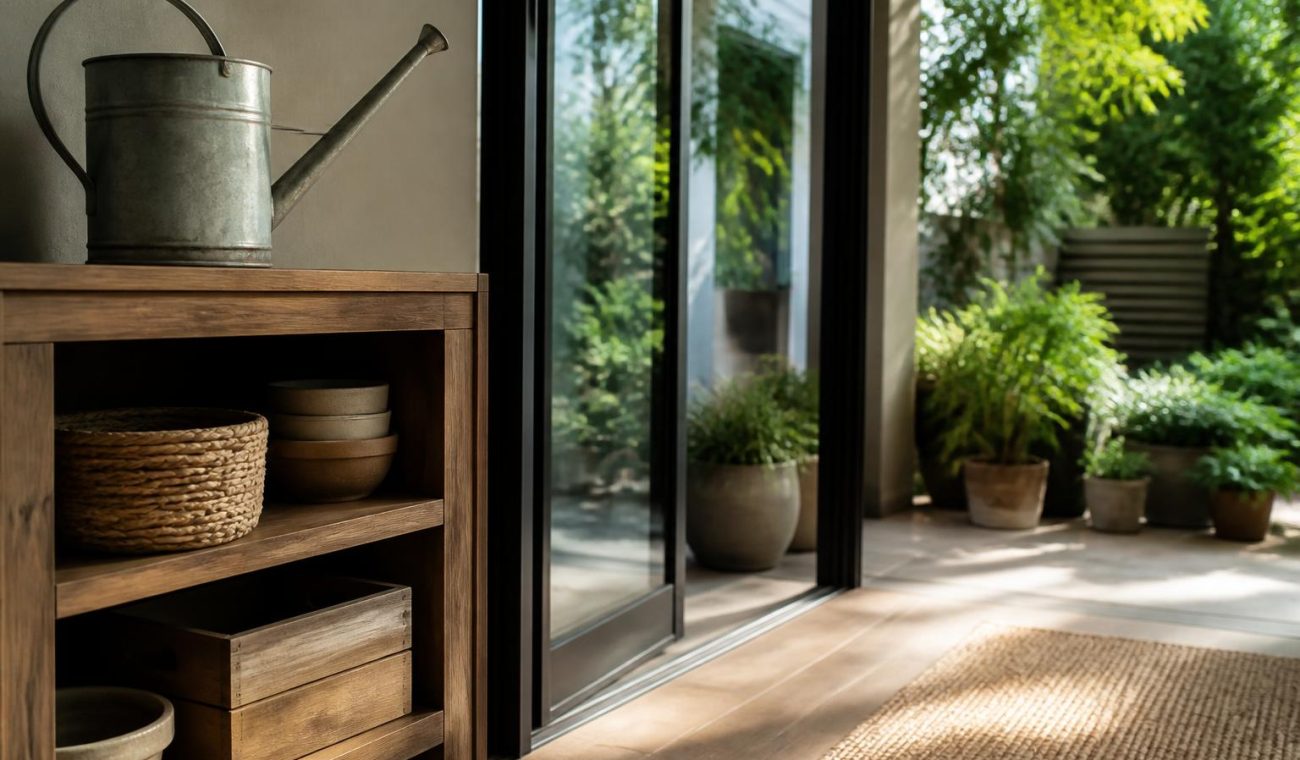
Access points between home and garden should invite rather than interrupt flow. Wide doors, French windows, and covered patios extend living areas and encourage daily use of outdoor spaces. Flooring choices that echo interior materials—timber, slate, or concrete with subtle texture—help create a continuity from inside to outside. Lighting, too, plays a crucial role, with warm-tone fixtures that draw the eye outward and highlight focal plantings during evening gatherings.
Furniture choices in patios and terraces should be weather-ready yet comfortable, mirroring the ergonomics of indoor seating. Layered textiles, outdoor rugs, and cushions in durable fabrics add warmth and hospitality, encouraging lingering conversations and relaxed meals au outdoor. With thoughtful transitions, your home’s interior decor and garden become a single, inviting room without hard edges.
Seasonal Decor Shifts Without a Full Makeover
Seasonal decor can be subtle yet powerful, updating your exterior without reshuffling hardscape or planting schemes. Use color accents in containers, throw pillows on outdoor seating, and seasonal blooms for short-lived bursts of interest. In spring, soft pastels and fresh greens can brighten the curb appeal; in autumn, warm amber tones and ornamental grasses provide movement and texture that echo interior fall styling.
Smart storage and modular elements prevent clutter as seasons change. Keep a compact stash of lightweight planters, covers, and seasonal decor that can be swapped in as needed. By treating outdoor spaces like a living room that receives frequent updates, you maintain a fresh, inviting environment that remains cohesive with interior design principles.
Maintenance Mindset: Automations, Accessories, and a Gentle Rhythm
A balanced maintenance routine combines low-effort automations with manual care for a thriving garden that respects your time. Routines like weekly pruning, monthly soil checks, and seasonal plant swaps keep spaces healthy while maintaining aesthetic integrity. Automations—timers, sensors, and robotic tools—free you to enjoy rather than toil, aligning with a modern, practical home improvement lifestyle.
Invest in durable, weather-rated tools and smart storage to reduce friction. A well-planned garden toolkit makes routine tasks predictable and doable, supporting a sense of control and satisfaction. With a gentle, consistent rhythm, your garden remains vibrant year-round, reflecting the care you invest in your interior and decor priorities.
Texture Highlights for Some Sections
- Material contrasts: smooth stones against rough timber to create tactile interest.
- Layered plant heights: groundcovers, midstory perennials, and small trees for depth.
- Container drama: bold shapes and colors that echo interior accessories.