Practical Guide to Home Gardens: From Soil to Interior Decor
A practical, no-nonsense guide blending gardening basics with home improvement and interior decor ideas.

Foundations of a Livable Garden and Home
Creating a garden that complements home improvement goals starts with concrete planning and thoughtful space use. Begin by assessing sunlight, wind patterns, and soil quality to choose plants that will thrive in your climate. A simple 4×6 foot raised bed can yield fresh herbs and greens with minimal maintenance, while a few sturdy perennials keep color year after year. For accurate planning, consider mapping tools or a basic notebook to track progress and seasonal expectations, ensuring your garden grows in parallel with interior upgrades and decor choices. laser scanning equipment can help verify outdoor dimensions when reconfiguring hardscapes or building new pergolas.
Home improvement often begins at the exterior, where curb appeal anchors the entire project. Start with durable materials that resist weathering and require low upkeep, such as composite decking or powder-coated metal fence panels. Plot a simple irrigation plan and mulch strategy to conserve water and reduce weeds. As you chart progress, keep a notebook of budgeted costs, seasonal tasks, and decor ideas so that outdoor and indoor projects stay in sync with your lifestyle goals.
Soil, Irrigation, and Plant Selections
Healthy soil is the cornerstone of thriving gardens and a resilient landscape. Test your soil to determine pH and nutrient levels, then amend with compost or aged manure to improve texture and microbial life. When choosing plants, group species by water needs and light exposure, creating microclimates that reduce maintenance while boosting visual impact. This approach supports interior decor by supplying consistent color palettes and textures that echo indoors, such as soft greens, earthy browns, and sunlit yellows.
Efficient irrigation is essential for both garden vitality and water-conscious home improvement. Install a drip system with zones that serve flower beds, vegetables, and containers, reducing waste and keeping foliage dry to prevent disease. A simple rain barrel can top up your reservoir, aligning with sustainable living goals. Regularly inspect hoses and emitters, replacing worn components before leaks become problems for your landscaping and interior air quality through humidity control.
Container Gardening and Vertical Space
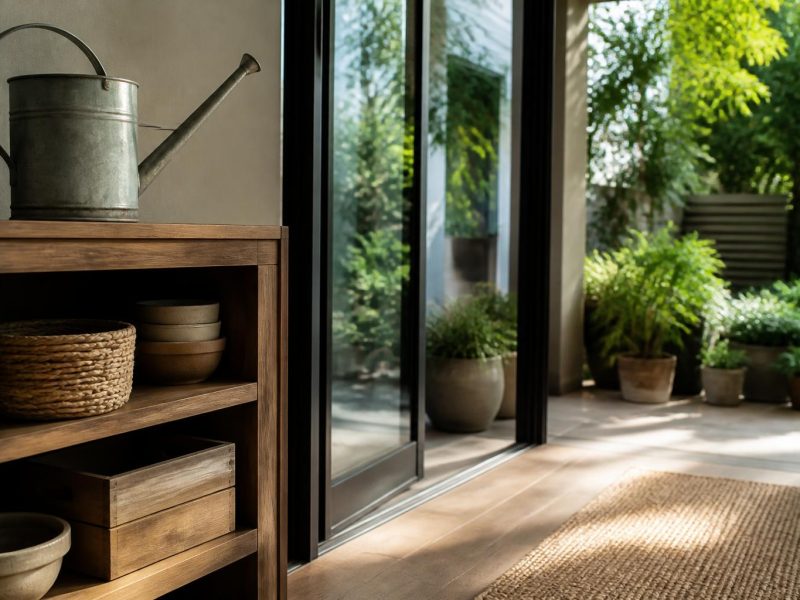
Container gardening extends growing opportunities into cramped spaces and apartment balconies, offering a flexible solution for seasonal crops and decorative greenery. Choose light, weather-resistant pots with drainage to maintain root health and minimize weight on balconies. Pair bold blooms with textured foliage to create focal points that echo interior accents like woven baskets or ceramic bowls, bridging the line between indoor decor and outdoor vitality.
Vertical gardening multiplies growing surface without expanding footprint, ideal for urban homes. Install freestanding trellises, wall-mounted planters, or living green screens that soften exterior walls and provide privacy. Use plants with varying heights and shapes to craft layered interest that also complements interior design ideas, such as curtains, wallpaper motifs, or art prints that repeat natural colors and forms.
Tooling and Maintenance Essentials
A well-chosen toolkit makes garden tasks efficient and enjoyable, reducing frustration and supporting ongoing home improvement efforts. Equip basic hand tools, pruning gear, a trowel, and a durable watering wand, prioritizing comfortable grips and corrosion-resistant materials. Pair these with a sturdy wheelbarrow and a tote for quick field trips between the shed and garden beds, ensuring maintenance tasks stay organized and approachable alongside interior projects.
Maintenance routines preserve plant health and landscape structure, reinforcing the overall aesthetic you aim to achieve inside the home as well. Establish a simple calendar for pruning, fertilizing, and scouting for pests, using organic options when possible to protect pollinators and the soil. A consistent routine encourages better soil biology, which in turn supports robust growth that translates into fewer costly replacements and more cohesive decor integration.
Seasonal Planning and Crop Rotation
Seasonal planning anchors garden success and informs interior decisions, from color palettes to storage organization. Start with a monthly task list: soil amendment in spring, mulching in early summer, and pruning in late winter. Crop rotation reduces disease pressure and sustains soil fertility, so rotate families year to year, documenting outcomes to fine-tune future plantings. By aligning outdoor cycles with interior refreshes, you can coordinate textiles, paint tones, and accessories around the evolving garden backdrop.
Crop planning should consider long-term goals such as food security or ornamental display. Include staple crops like lettuce, tomatoes, and herbs, along with seasonal flowers to maintain visual interest. When you harvest, preserve excess produce through canning or freezing, integrating a pantry area that complements kitchen renovations and decor upgrades with practical, tasteful storage solutions.
Lighting, Color, and Ambiance
Outdoor lighting dramatically affects mood and usability after dark, shaping how a yard feels in relation to interior spaces. Layer lighting with pathway lamps, spotlights for architectural features, and soft ambient glows around seating zones. Warm light tones echo interior fixtures, enabling a seamless transition from outdoor to indoor entertaining areas while extending the usable window of garden enjoyment into evening hours.
Color choices in both garden and interior design create harmony and cohesion across spaces. Use a restrained palette that repeats in cushions, planters, and wall art to unify the look. For example, if you favor deep greens and terracotta hues outside, carry those accents into a living room via textiles, pottery, and natural materials like wood or stone textures that reflect a nature-inspired decor scheme.
Edible Landscaping and Edible Interiors
Edible landscaping blends practicality with aesthetics, offering beauty while producing herbs, greens, and small fruiting plants. Strategic placement near kitchens or dining areas makes harvests convenient, reducing waste and encouraging regular use. Pair culinary herbs with flowering companions to attract pollinators and maintain a vibrant, edible garden that harmonizes with decor through natural materials and hand-crafted containers.
Bringing edible elements indoors can be equally rewarding, such as compact herb planters on a sunlit sill or a hydroponic setup for leafy greens. Choose containers that echo room decor—ceramics, woven baskets, or minimalist metal pots—and ensure proper airflow and light so plants thrive. This approach creates a constant, usable link between interior living spaces and the garden outside, reinforcing a connected home aesthetic.
Texture Boost: Quick Tips for Richer Layers
- Incorporate varied plant heights and foliage textures for depth both inside and outside.
- Mix natural materials like wood, stone, and woven textiles to knit garden and interior decor together.