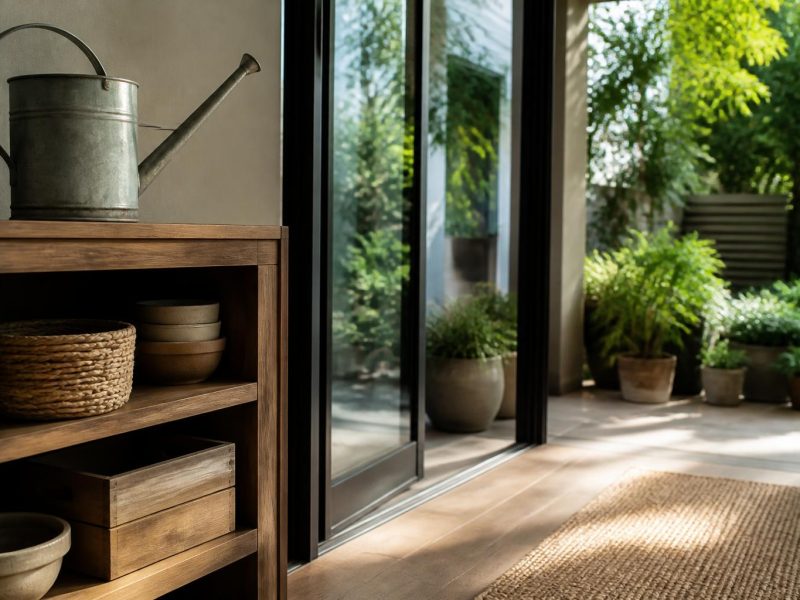
Creating a Calming Outdoor-Indoor Oasis: Practical Home Gardening and Décor
Transform your space with practical home improvement ideas that blend interior comfort with garden serenity, from plant choices to outdoor-into-indoor styling.
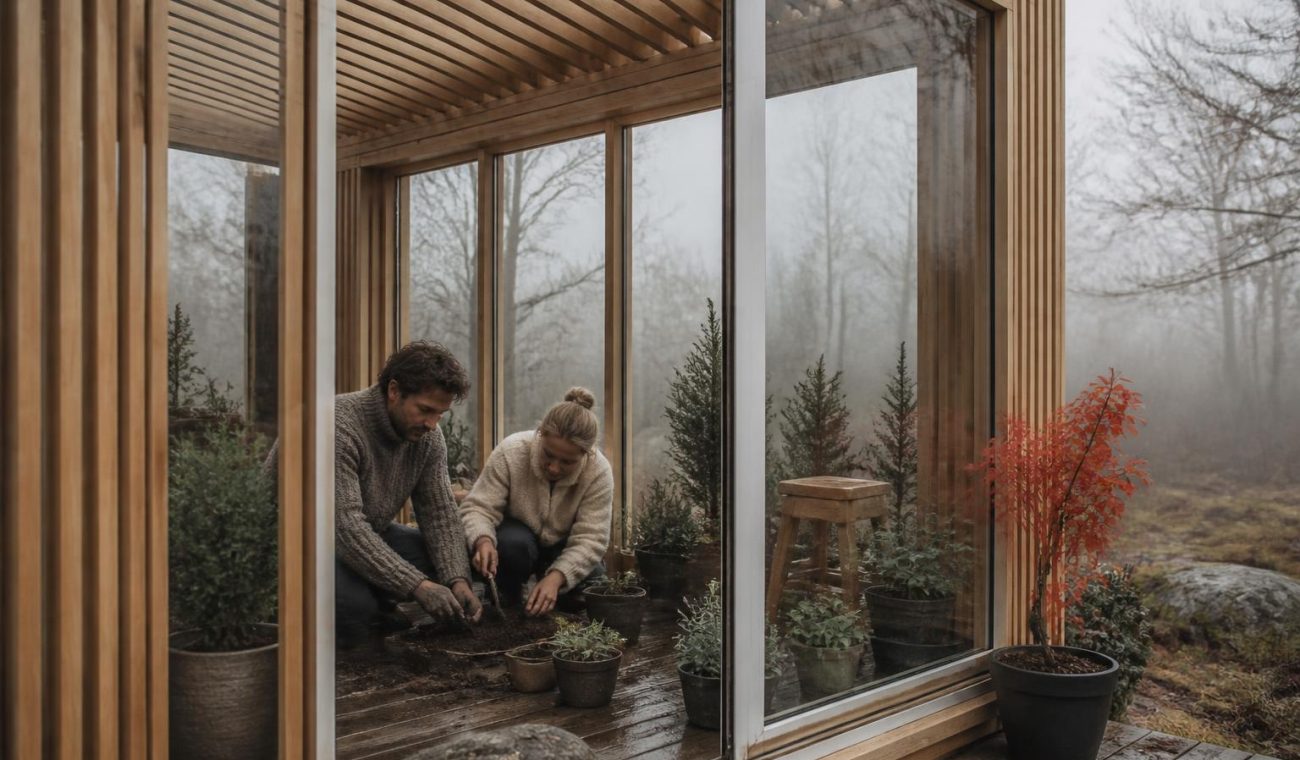
Foundations of a cohesive home garden and interior connection
A well-planned outdoor space begins with clear goals that align with daily living, not just aesthetics. Start by assessing sunlight, drainage, and usable square footage to shape a practical garden layout that supports movement and gatherings. Consider how weekly routines—coffee on the porch, family meals, or quiet evenings—translate into your design decisions, ensuring comfort and accessibility every season. Marginal Pond Plants help anchor water features that invite wildlife and provide a focal point for conversation and reflection.
Pairing this outdoor plan with intentional interior moves creates a coherent home narrative. Choose durable materials and color palettes that echo exterior tones, while selecting furniture that withstands seasonal changes. Think about storage, lighting, and soft textures that can morph from sunlit patios to cozy indoor corners, keeping the space adaptable for entertaining and everyday living, with continuous attention to detail shaping the overall ambiance.
Soil, water, and microclimates: the science behind a thriving garden
Understanding soil composition and drainage is essential for plant vitality and long-term maintenance. Start with a soil test to determine pH, nutrient levels, and organic matter, then amend with compost and mulch to improve structure and moisture retention. Gentle irrigation strategies, such as drip systems or soaker hoses, reduce waste while keeping roots consistently hydrated during dry spells and hot spells alike, supporting thriving perennials and edible herbs.
Water features can elevate both garden ambiance and microclimates by moderating temperatures and attracting beneficial wildlife. A small pond or fountain creates a cooling effect during summer and acts as a serene focal point in the landscape. As you install these elements, consider accessibility for maintenance, safety for children and pets, and how the feature blends with plant layers to create depth and movement across the space.
Native and adaptive plants: reducing maintenance while boosting biodiversity
Selecting native and well-adapted plants minimizes irrigation needs and promotes garden resilience. Group species by sun exposure and water requirements to create efficient planting schemes that thrive with less intervention. Emphasize diverse textures and seasonal interest—grasses for movement, flowering perennials for color, and evergreen anchors for year-round structure—so the garden feels layered and alive year after year.
Incorporate edible additions like herbs and compact greens within borders or containers to merge gardening with daily meals. Strategic container plantings are ideal for small patios or indoor-outdoor transitions, allowing you to rotate selections with the seasons. By documenting growth patterns and bloom times, you can anticipate care bursts and reduce unexpected surges in maintenance demands.
Lighting and privacy: mood, safety, and usable spaces after dark
Effective lighting schemes extend outdoor usability while enhancing safety and mood. Start with layered lighting: ambient ground-level fixtures for pathways, task lighting near work zones, and accent lights to highlight focal plants or water features. Timers or smart controls help conserve energy and ensure consistent illumination from dusk to late evening, so outdoor living areas remain welcoming without becoming harsh or disruptive to neighbors.
Privacy strategies should be both functional and aesthetic, using a mix of tall plants, trellises, and architectural elements to create intimate nooks. Consider evergreen screens for year-round privacy and seasonal blooms to soften lines. Integrate furniture arrangements that invite conversation while maintaining clear sightlines for safety and ease of movement in dim light.
DIY projects that blend decor and function in small spaces
Small-space optimization hinges on multi-functional furniture and vertical gardening. Choose benches with hidden storage, wall-mounted planters, and modular seating that can reconfigure for gatherings or quiet afternoons. Layer textures through cushions, throws, and natural fibers to create warmth without crowding the footprint, while selecting durable finishes that resist weathering and daily wear.
Upcycling and smart scaling turn budget-friendly ideas into impactful statements. Repurposed containers, reclaimed timber, and powder-coated metal accents can build a cohesive design language bridging interior and exterior aesthetics. Documenting project steps and measurements ensures you can reproduce or adjust the scheme as needs evolve, preserving the home-improvement momentum rather than letting it stall.
Seasonal care cycles: timing, chores, and long-term planning
Developing a calendar for maintenance reduces stress and keeps your spaces looking intentional year-round. Break tasks into weekly, monthly, and seasonal groups: pruning, mulching, soil testing, and irrigation checks. Weather awareness matters; plan for frost dates, heat waves, and rainfall patterns so you avoid reactive fixes and instead implement proactive care that sustains plant health and soil structure.
Incorporating seasonal decor transitions can refresh a space without requiring a full overhaul. Use interchangeable plant pots, fabrics, and accents that reflect the current season and a cohesive interior mood. By staging gentle updates, you foster a living environment that evolves with mood and use, maintaining a steady cadence of improvement that aligns with home, garden, and decor goals.
Closing the loop: integrating experience, sustainability, and family moments
Finally, measure the success of your project by how often the space is used for real activities: meals, games, quiet reading, or shared projects. Sustainable choices—like rainwater harvesting, composting, and native plant palettes—reduce long-term costs and environmental impact while enhancing resilience. The design should reward repeated visits and provide comfort, privacy, and beauty for years to come.
As your home, garden, and interior blend into a single living ecosystem, maintain flexibility to adapt to new interests, such as growing medicines, raising pollinator-friendly plantings, or creating a kitchen garden for fresh herbs. The strongest spaces support daily life and special moments alike, inviting everyone to slow down, notice, and enjoy the evolving texture of home improvement realized through gardening and decor.