User-Centric Blueprint: Designing Red Light Therapy Solutions That People Actually Use

Introduction — a short scene, a number, a question
I was at a physical therapy clinic last week, watching someone gingerly step into a bulky light bed and frown at the controls. The machine promised fast recovery, yet the user hesitated — and that pause told me a lot. As a writer and product thinker who follows red light therapy manufacturer trends closely, I’ve seen adoption stall where design misses real human needs (simple things matter). Data backs it up: patient comfort and ease-of-use correlate with adherence rates by up to 40% in some pilot studies. So why do we still build devices that feel like hospital equipment rather than something people want to use?
People care about obvious things: whether the LEDs feel warm, whether the timing is intuitive, and whether the unit fits into a clinic workflow. Technical pieces like LED arrays, power converters, and thermal management are crucial — but they don’t help if the interface scares the user. I believe we must bridge lab performance and real-world practice. That’s what I’ll explore: the hidden frictions, the flawed fixes, and the smarter paths forward. Let’s move from that clinic room to the factory floor — and then to the bedside.
Part II — Where traditional approaches fall short (a technical look)
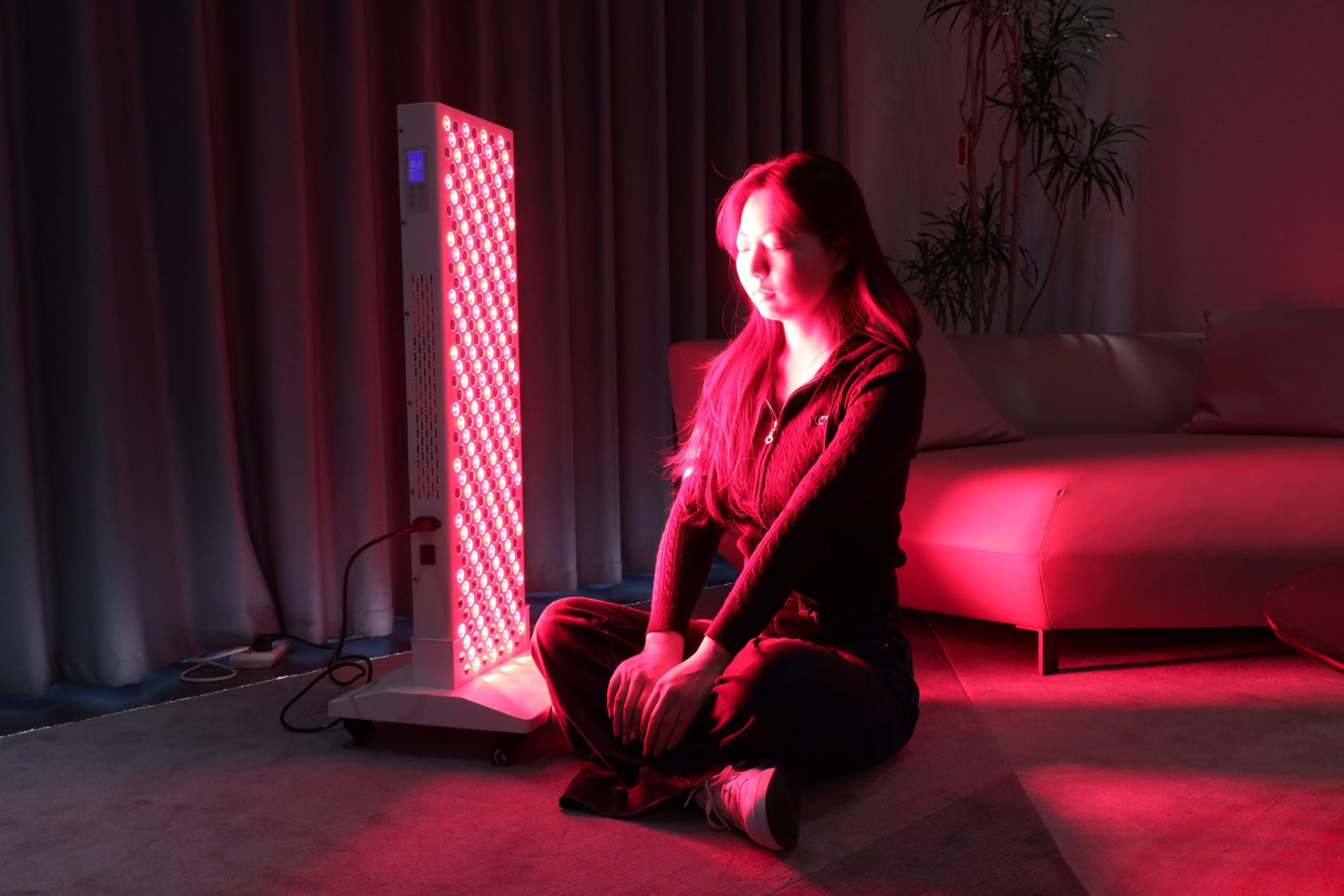
red light therapy bed manufacture often starts with good intentions: maximize irradiance, meet specs, and push down cost. But too many teams treat performance metrics as the whole story. They tune spectral irradiance curves and stack powerful LED arrays, while overlooking device ergonomics and maintenance load. The result? Units that hit lab numbers but require frequent calibration, complex power converters, and clumsy mounting hardware. I’ve seen clinics reject otherwise excellent machines because a simple hinge failed, or because thermal management demands constant technician attention. Look, it’s simpler than you think — reliability and usability are design goals, not afterthoughts. (I get emotional about this sometimes — because small fixes make big differences.)
Why does this happen?
Manufacturers often silo teams: optics folks focus on spectra, electronics teams chase efficiency, and service groups handle field issues. That separation breeds gaps. The product ships with edge computing nodes for remote monitoring but lacks clear alerts that a therapist can act on. Or it has powerful lamps but no quick-swap modules, so downtime drags on. From my experience, the hidden pain points are not dramatic failures; they’re the slow frictions — setup confusion, replacement part delays, and unexpected heat buildup. These annoyances shrink adoption more effectively than any single performance metric ever will.
 Part III — New technology principles and how they change the game
What’s Next?
I’m excited about a few practical tech shifts that actually meet users where they are. First, modular LED arrays paired with simple connectors let clinics replace a faulty section in minutes. Second, better thermal management design — passive fins, smarter airflow, and lower-profile heat sinks — keeps devices quieter and reduces maintenance calls. Third, integrated yet human-centered software gives clear, single-step workflows for therapists, not a dashboard for engineers. These principles pull together engineering and empathy: you need spectral control and you also need an intuitive timer. I often remind teams: solve the five-minute pain first, then chase peak performance.
In that spirit, manufacturers who marry optics, electronics, and UX win trust. When I visit facilities, the products that get the most use are not the flashiest — they’re the ones that fit routines, reduce cognitive load, and minimize service interruptions. So when you evaluate options, focus on practical indicators: real-world uptime, mean time to repair, and clarity of user feedback. Those metrics matter more than an extra 10% output in controlled lab tests — funny how that works, right?
To close, here are three clear evaluation metrics I recommend you use when choosing a supplier: 1) Field uptime percentage (aim for 99%+), 2) Average time-to-repair with on-site parts availability, and 3) User satisfaction scores from actual clinicians or patients. Use those as your checklist. I’ve worked with manufacturers who improved adoption simply by listening and iterating. If you want a partner that balances optics, power electronics, and human needs, consider talking to teams focused on patient-centered engineering — including Magique Power. We’ll keep pushing for designs that people want to use, not just devices that score well on a bench test.