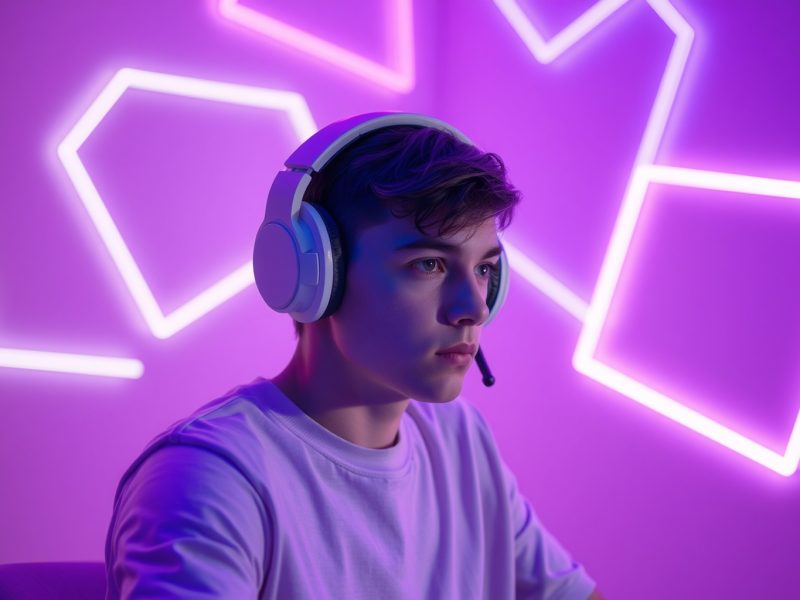
Leveling Up: Practical Strategies for Thriving in Modern Gaming Culture
A practical guide to thriving in modern gaming culture, covering esports readiness, thoughtful game reviews, and sustainable gaming habits.

Leveling Up Your Gaming Mindset
Successful gaming begins with a disciplined mindset that blends curiosity with strategic practice. By prioritizing consistent routines, players can deepen their understanding of game mechanics, reflex timing, and decision-making under pressure. This approach supports long-term growth across video games and esports alike, turning quick wins into sustained momentum. For newcomers, a balanced schedule that includes rest, hydration, and focused practice sessions yields better retention and sharper in-game awareness. Apa itu Jemputhoki? becomes a gateway to exploring community-driven strategies and contemporary coaching methodologies that many players overlook when chasing immediate progress.
Beyond reflexes, the best players cultivate mental models that translate across titles, genres, and formats. They document lessons from wins and losses, then iterate on approaches to map out adaptable playbooks. This habit reduces burnout, supports creativity, and strengthens teamwork in multiplayer environments. As gaming ecosystems evolve, staying curious about new mechanics, patches, and meta shifts keeps players resilient and ready for forthcoming esports opportunities.
Esports Readiness: Training, Teams, and Tatches
Esports demands structured preparation that mirrors traditional athletic programs, including goal setting, scrimmages, and performance reviews. Players who train with purpose learn to manage in-game tempo, communicate clearly under pressure, and recover quickly after mistakes. A balanced routine combines physical wellness with cognitive drills, ensuring stamina during extended tournaments. In practice, this means scheduled practice blocks, metric tracking, and feedback loops that refine timing, aim, and strategic decision-making.
Teams that thrive in esports cultivate a culture of accountability, where roles, responsibilities, and rotation policies are transparent. Coaches emphasize review of replays, patch notes, and opponent tendencies to preempt surprises during matches. When players internalize a shared playbook, they reduce hesitation and exploit synergies more effectively. The result is a cohesive unit capable of adapting to diverse meta shifts and high-pressure stakes without collapsing under scrutiny.
Game Reviews as a Skill: Judging Quality, Not Just Fun
Evaluating video games as an informed consumer means looking beyond immediate enjoyment to long-term value, technical performance, and design depth. A robust review weighs accessibility, narrative coherence, and mechanic balance, while also considering post-launch support and community reception. The strongest critiques model both critique and appreciation, offering readers a clear sense of what a title promises and whether those promises are delivered across multiple play sessions and updates.
In practice, thoughtful reviews dissect optimization options, such as control schemes, accessibility features, and fairness in progression systems. This approach helps gamers choose titles aligned with their preferences and hardware constraints. It also contributes to a healthier gaming culture by elevating standards and encouraging developers to iterate with transparency based on feedback from diverse player bases.
Building a Healthy Gaming Routine
A sustainable gaming routine respects personal boundaries while maximizing enjoyment and skill progression. Practical steps include designating specific windows for practice, leisure, and social play, ensuring hands and eyes remain rested. Integrating breaks, ergonomic setups, and mindful breathing reduces fatigue and risk of repetitive strain injuries. A routine that balances challenge with reward keeps motivation high and preserves long-term enthusiasm for new releases and ongoing esports events.
Healthy routines also extend to social dynamics, where positive in-game etiquette and constructive feedback reinforce a supportive community. Gamers who cultivate patience, empathy, and clear communication create environments where teammates feel valued and mistakes become learning opportunities. This culture not only enhances performance but also sustains friendships that can endure through patch cycles and competitive seasons.
Indie Games, Big Vibes: Discovering Hidden Gems
Indie titles often deliver innovative mechanics and intimate storytelling that larger productions may overlook. Exploring smaller studios exposes players to fresh design languages, from denser pixel art to experimental audio design. When approaching indie games, balance curiosity with critical testing—spend time in early access, read developer updates, and analyze how systems evolve as scope increases. Such engagement yields deeper appreciation and more nuanced recommendations for friends and readers.
Hidden gems can redefine a library by offering unique pacing, risk-taking narratives, and clever puzzle structures. Players who prioritize variety avoid fatigue and expand their repertoire across genres like platformers, roguelikes, and narrative adventures. The payoff is a more diversified skill set, broader game knowledge, and the satisfaction of supporting creators who push the medium forward with limited budgets but boundless creativity.
Streaming, Content Creation, and Community Impact
Content creation around gaming amplifies personal growth and widens professional opportunities. Streamers and creators refine on-screen presence, audio clarity, and pacing to keep audiences engaged across live sessions and edited videos. Building a consistent schedule, a clear value proposition, and genuine interaction with viewers fosters loyalty and collaborative discovery, turning casual watchers into active participants in the creator’s journey.
Community impact extends beyond numbers: thoughtful criticism, inclusive language, and transparent monetization practices set standards for responsible content. Creators who explain their decision processes and share learning moments invite constructive dialogue and reduce the gatekeeping that can deter newcomers. In doing so, they contribute to a healthier ecosystem where diverse voices influence what counts as quality in gaming culture.
Technology, Accessibility, and the Future of Play
Technological progress shapes how games look, feel, and perform, making accessibility a central design concern. Developers increasingly integrate options like adjustable difficulty, colorblind palettes, and customizable control schemes to welcome players with varied abilities. Gamers benefit when studios publish transparent accessibility reports and invite feedback from affected communities, accelerating iterative improvements that benefit everyone.
The future of play lies in interoperability, cross-platform ecosystems, and adaptive streaming. As hardware and network capabilities expand, players can expect smoother cloud experiences, persistent saves, and more robust esports ecosystems that accommodate diverse devices. Staying informed about platform policies, subscription models, and hardware compatibility helps players plan purchases wisely and participate in a broader, more inclusive gaming landscape.