Exploring Adult Anime: Craft, Controversy, and Culture in Ecchi, Hentai, and NSFW Narratives
A thoughtful look at adult anime, from creative boundaries to audience dynamics, delving into ecchi, hentai, and the broader NSFW landscape.
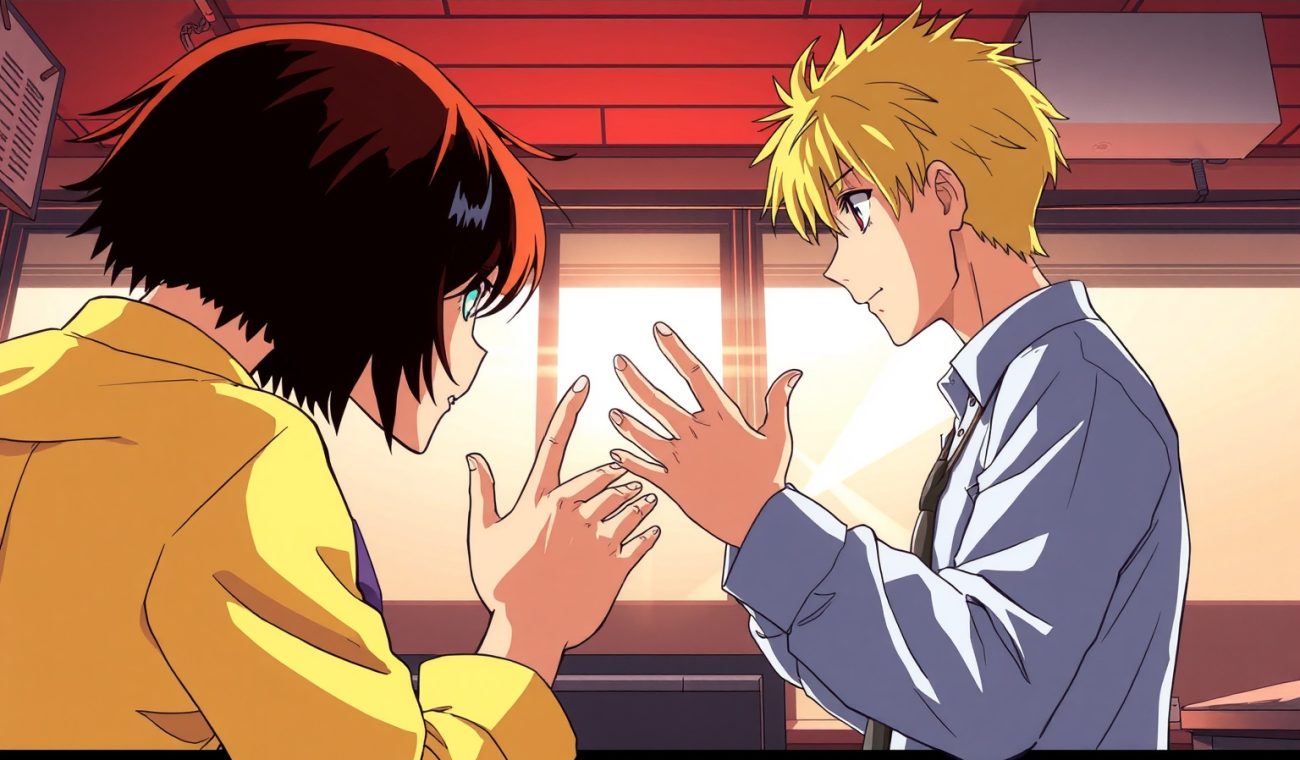
1. The Evolution of Adult Anime and Its Cultural Footprint
Adult anime has evolved from niche fan circles into a recognizable genre that shapes contemporary animation discourse. Creators push boundaries within storytelling, aesthetics, and consent, challenging norms while reflecting audiences’ evolving fantasies and anxieties. This movement engages critics who argue about artistic merit versus sensationalism, yet it remains tethered to a long history of manga, animation, and subcultural exchange that informs today’s works. As audiences diversify, the conversation expands to include global platforms and the ethical considerations surrounding representation. For a deeper look, see Raw Hitomi.
Within this space, the presence of adult themes intersects with mainstream animation histories, prompting debates about accessibility, licensing, and age verification. Fans increasingly demand high production values, nuanced character arcs, and responsible depiction of sexuality. While some view adult anime as pure fantasy, others push for thoughtful exploration of consent, power dynamics, and emotional stakes that transcend simple titillation. The result is a complex ecosystem where craft and controversy coexist.
2. Ecchi as a Gateway: Boundaries, Humor, and Visual Play
Ecchi serves as a bridge between mainstream anime and more explicit genres, using suggestive humor and playful innuendo to evoke emotion without explicit detail. Writers leverage situational comedy, wardrobe malfunctions, and flirtatious dynamics to create a lighthearted atmosphere that still hints at adult themes. The best ecchi episodes balance charm with pacing, ensuring jokes land while maintaining a coherent narrative thread for curious viewers seeking texture beyond the punchline.
The genre’s visual vocabulary—comedic poses, strategic framing, and color palettes—helps establish mood and character chemistry. When done well, ecchi can contribute to character development by accentuating vulnerabilities and desires in a non-threatening way. Critics note that responsible ecchi avoids demeaning tropes and instead invites discussion about intimacy, consent, and personal boundaries within a fantastical setting.
3. Hentai: A Spectrum of Narrative Depth and Aesthetic Ambition
Hentai encompasses a broad spectrum from stylized fantasy to explicit realism, challenging audiences with diverse storytelling approaches and artistic techniques. Some works emphasize psychological tension, consent, and emotional resonance alongside explicit scenes, while others prioritize propulsive fantasies and world-building that support immersive escape. The quality of storytelling often hinges on character motivation, stakes, and the world’s internal logic that keeps viewers invested beyond the sexual content.
Industry professionals argue that hentai can push technical boundaries in animation, sound design, and scene composition, offering opportunities for experimental framing and pacing. Critics, however, caution about sensationalism that may overshadow character development or moral considerations. The best examples demonstrate responsibility, clear narrative goals, and a respect for audience maturity without sacrificing artistic daring.
4. Globalizing NSFW Narratives: Accessibility, Regulation, and Community Norms
NSFW anime communities thrive on diverse tastes and transparent discussions about boundaries, consent, and legality. Accessibility through streaming, fan translations, and licensed releases shapes how audiences discover new titles and evaluate content. Regulatory environments, age verification, and platform policies influence what is created and shared, creating a dynamic tension between creative freedom and social responsibility. Fans navigate these structures to find works that align with personal comfort levels and ethical expectations.
Community norms evolve as conversations about depictions of power, violence, and sexuality deepen. Moderation practices, tagging systems, and critical reviews help readers approach material with sobriety and curiosity. When communities collaborate with creators to set respectful standards, they foster safer spaces for discussion, critique, and appreciation of craft across genres and boundaries.
5. Character-Centric Storytelling: Desire, Agency, and Emotional Stakes
Character-driven narratives in adult anime focus on interior life as much as exterior appeal, exploring longing, vulnerability, and agency within erotically charged settings. Protagonists’ decisions, fears, and growth arcs shape how explicit scenes land, turning sexuality into a catalyst for personal discovery rather than mere spectacle. This approach invites viewers to invest in relationships, power dynamics, and the consequences of pursuit and consent within fantastical landscapes.
Authors often foreground consent, negotiation, and mutual respect as essential to emotionally resonant encounters. By centering dialogue and interior monologue, creators can transform provocative moments into meaningful exchanges that reveal character truths. Such depth keeps audiences engaged while acknowledging adult themes as part of a larger narrative tapestry rather than isolated escapism.
6. Visual Stylization: Aesthetics, Tone, and World-Building
Visual design in adult anime ranges from cel-shaded charm to hyper-realistic rendering, with color, lighting, and composition guiding tone and mood. Artists craft environments that support sexuality as part of a living world, incorporating textures, weather, and spatial logic to enhance immersion. The aesthetic choices—be it soft glow, bold shadows, or kinetic motion—affect how scenes feel and how characters respond to one another under pressure.
Sound design and music composition are integral to this sensorial experience, reinforcing emotional cues and intensifying intimate moments. Composers use motifs and rhythm to mirror anticipation, hesitation, or release, while voice acting conveys nuance in dialogue that heightens relational complexity. Together, these elements turn adult anime into multi-sensory storytelling rather than a single-issue display.
7. Responsible Consumption and Creative Integrity
Readers and viewers are urged to approach adult anime with mindfulness, seeking works that reflect consent, dignity, and ethical portrayal of sexuality. Engaging critically with content means recognizing artistic ambition while questioning sensationalism, objectification, and cultural impact. Ratings, review discourse, and creator intent help guide informed choices that support responsible media ecosystems and respectful fan communities.
Creators who pursue integrity tend to balance erotic elements with character depth, thematic resonance, and thoughtful world-building. By prioritizing consent and emotional honesty, they invite wider audiences to engage with adult anime as a serious art form rather than a mere curiosity. This conscientious approach promotes a healthier culture where diverse voices can contribute to a richer, more responsible canon.
Keep reading
 Technology
The Converging World of Technology, Business, and Culture: A Practical Guide to Modern Digital Trends
 Technology
Navigating the Modern Tech Landscape: Practical Guides, Analysis, and Culture Shifts
 Technology