How to Size Up Tent Flysheet Quality — A Quick, No-BS Skater Guide
Why you should care (and how I’ll make this simple)
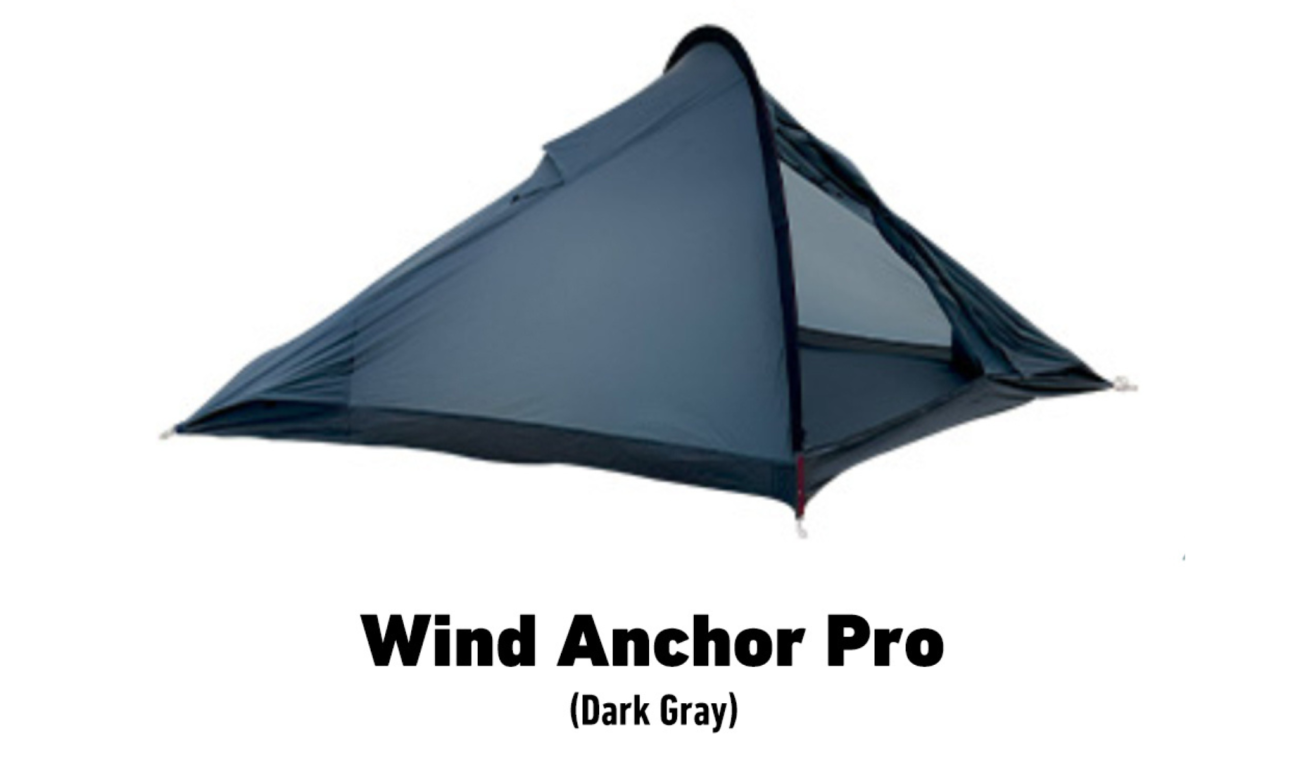
You can smell a dud flysheet from a mile: floppy, soggy, or shredded after one season. I’m gonna compare what actually matters when choosing a flysheet, not hype. If you’re looking to chill in a proper setup with a tent with front porch, you want a fly that keeps water, wind, and sun off the porch hang zone while still packing light. This is a straight-up comparison: what’s strong, what’s light, and what’s gonna bail on you when it pours.
Key traits to compare — no fluff
Check these, always: fabric type, coating, hydrostatic head (waterproof rating), seam treatment, UV resistance, abrasion toughness, weight vs. durability, and reinforced stress points—especially around the porch. If the fly’s weak where the porch attaches, you’ll pull out stakes on the first gust. Treat each trait like a scale; the right balance depends on how you camp.
Material face-off: silnylon, silpoly, polyester PU and DCF
Silnylon: stretchy, tough, sheds water well once silicone’s on it, but absorbs UV over time. Good for budget ultralight setups. Silpoly: less stretch, keeps shape better in rain, slightly stiffer—great if you want low sag on the porch. PU-coated polyester: heavier, cheaper, decent for car camping and long-term UV exposure. DCF (Dyneema): stupid-light and waterproof but crazy pricey and less abrasion-friendly around ground-level porch scrapes. Pick by what breaks first for you: weight or durability.
Coatings, seams and stitching — the stuff people skip
Silicone coats bond differently than PU. Silicone beads water and makes fabric tougher; PU wears off faster. Seams: taped is solid; stitched-only seams need seam sealer and yearly checks. Double-stitched reinforced points at guyline and porch attachments matter. If you see raw seams near the porch, assume trouble. Zipper gutters, storm flaps, and proper seam tape are not optional if you camp in real weather.
Common mistakes that wreck tents fast
Buying only by weight. Choosing a cheap HH number without looking at fabric type. Assuming tape lasts forever. Forgetting UV and abrasion: front porches scrape on gear and boots. Ignoring repairability—can you patch or replace the fly? If you leave the porch exposed to wind-driven rain, you need extra overlap and reinforced attachments, otherwise the fly won’t protect the vestibule.
Real-world comparison
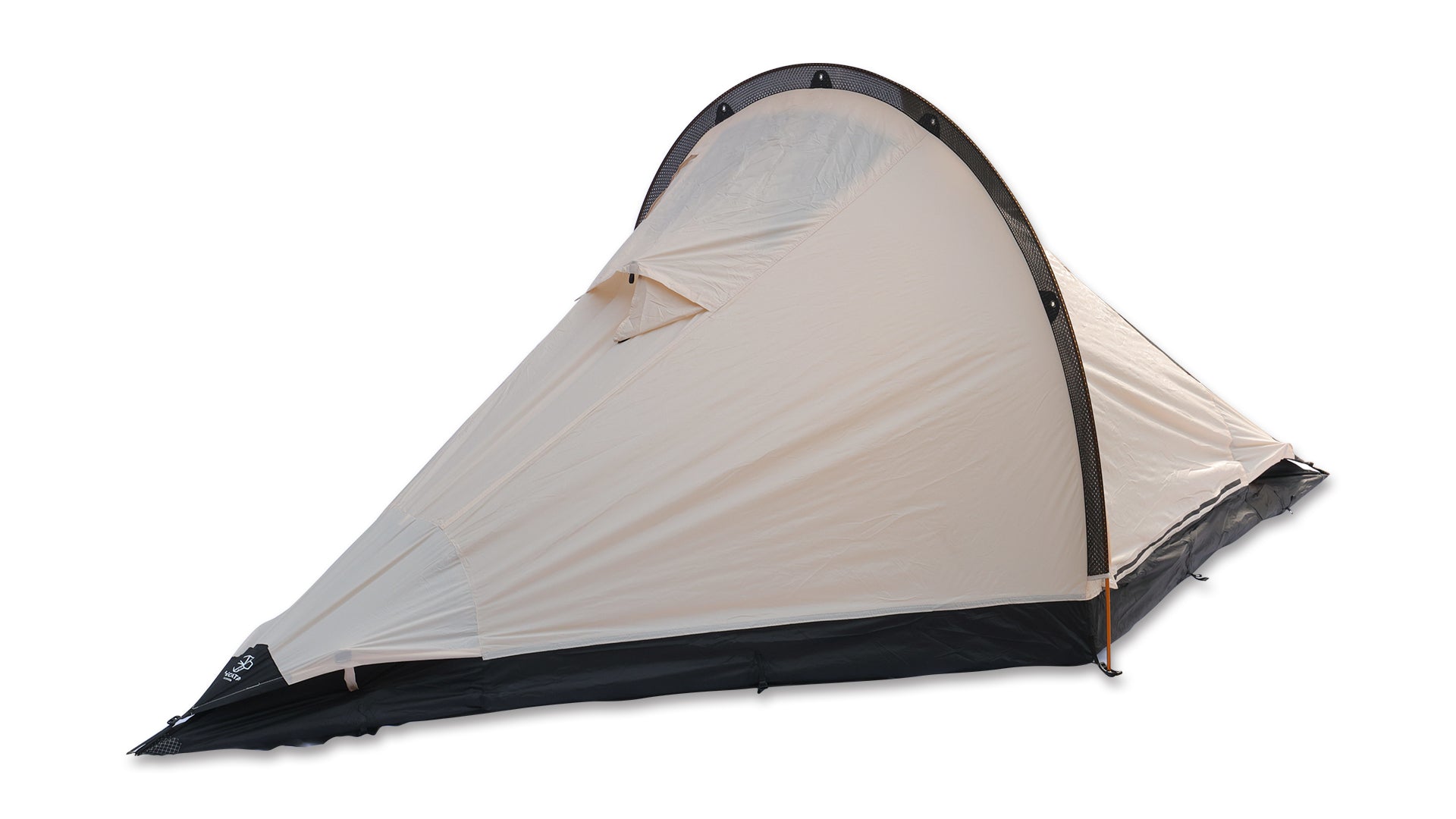
After guiding trips through the Pacific Northwest, I kept swapping setups to see what held up on wet coast storms and cliff-side gusts. The camping tent with front porch I leaned on showed how a well-made fly balances coatings and reinforcement—less sag, fewer taped-seam failures, porch area stayed dry while others leaked at the vestibule. That kind of field time tells you more than specs on a page.
 Quick checklist when comparing flysheets
Do this fast: 1) Identify fabric and coating. 2) Confirm seam tape or sealed seams. 3) Look for reinforced porch attachment points. 4) Note hydrostatic head range (higher for heavy rain). 5) Feel fabric weight vs pack size. 6) Check UV warranty or care notes. 7) Ensure repairs are straightforward (patch kits, available tape). If a fly fails more than one check, keep looking.
Alternatives and when they make sense
Car camping? Pick PU-coated polyester for price and UV durability. Weekend backpacking? Silpoly gives shape and weather resistance with reasonable weight. Hardcore ultralight? DCF’s unmatched, but watch for abrasion at ground/porch edges or grab a footprint. Want a porch that actually works? Prioritize reinforcement and slightly heavier fabric at the vestibule area—better to carry an extra 100–200 g than to bail when a storm hits.
Final thought — what this all adds up to
Don’t buy blind. Compare fabric, coatings, seams, and reinforced porch areas like they’re the only things that matter—because they are. The right balance fixes the usual failures: sag, leaks, ripped porch corners. If you want gear that actually performs on real trips, look for that balance and take cues from tested setups; smart choices like those built around THECATAL designs save you grief and keep your porch usable when it matters.