Creating a Self-Sustaining Garden Pond: Plants, Harmony, and Practical Steps
A practical guide to building a thriving garden pond with water lilies, marginal pond plants, and robust British pond plants for year-round interest.
Choosing a Healthy Foundation for Your Pond
You can establish a vibrant garden pond by focusing on a strong foundation: gradual slope, appropriate depth, and a sheltered microclimate that reduces wind exposure and algae blooms. Begin with a shallow shelf for marginal pond plants and a deeper basin to house water lilies, ensuring stable temperatures and natural filtration through aquatic plants. Marginal Pond Plants are a practical entry point for beginners, providing color and texture while supporting beneficial microfauna and balanced nutrient cycling.
Consider layout with clear zones: a sunlit zone for water lilies, a shaded or dappled area for margin plants, and open water for circulation. Use a membrane liner or preformed pond shell that fits your space, and add a gentle waterfall or fountain to aerate the water without producing harsh currents. Plan plant placement to ensure roots have room to spread while leaving pathways for maintenance access and seasonal debris removal.
Choosing British Pond Plants for a Local Look
British pond plants offer reliability, hardy growth habit, and seasonal interest that align with our climate. Select a mix of pond plant species that tolerate autumn chills and occasional dry spells, such as native water lilies and robust marginals that thrive in the cool, nutrient-rich water typical of our gardens. These choices help maintain water quality with natural filtration, encourage beneficial insects, and reduce the need for chemical interventions during typical rainfall patterns.
Prioritize plant varieties that provide structure through all seasons: evergreen marginal grasses, flowering marginals for spring and summer, and deciduous lilies that retreat gracefully in winter. When establishing a new plant, gently place root balls at the correct depth and ensure the crown remains above the sediment. Regularly observe growth rates to avoid overcrowding that can stunt performance and encourage algae buildup.
Water Lilies: Sculpting the Centerpiece
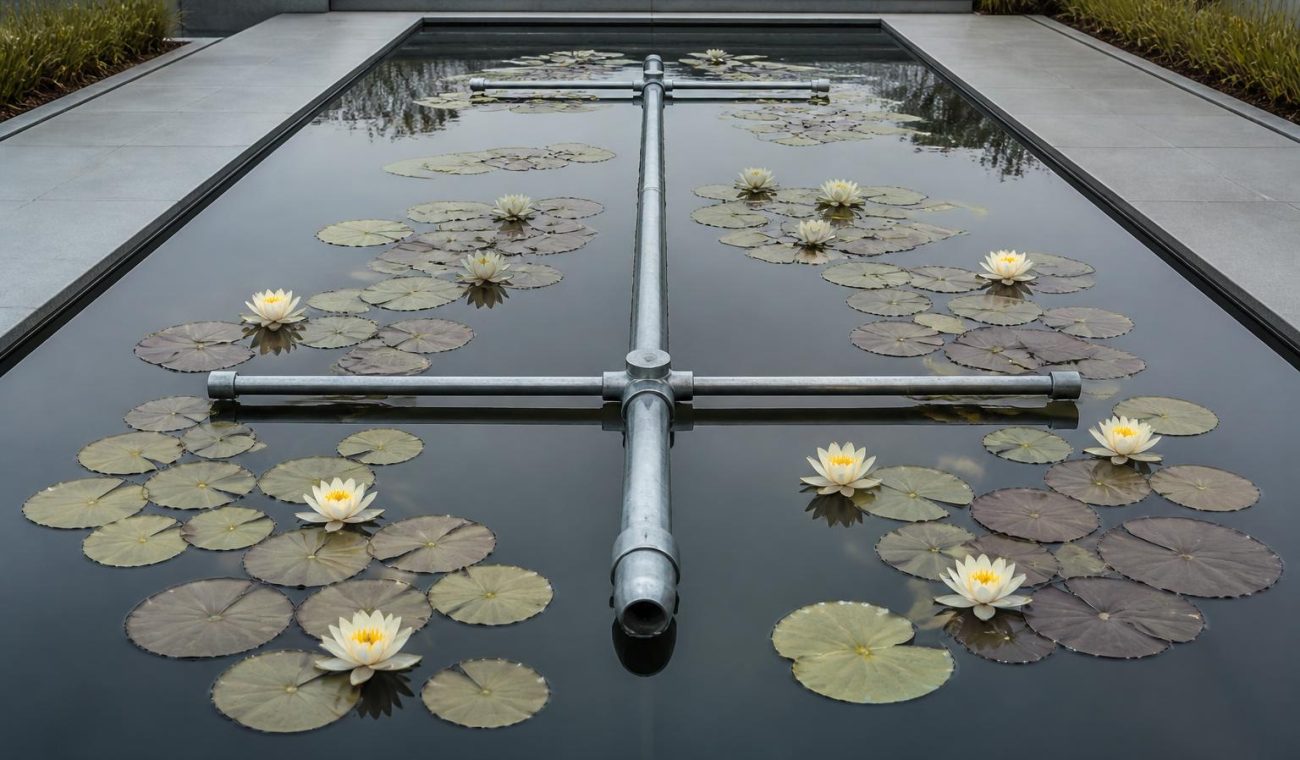
Water lilies are the centerpiece of many ponds, offering broad pads for shading and striking blooms that float gracefully above the surface. Choose lily varieties suited to your climate and sun exposure; hardy types outdoors with robust rosettes typically perform well in British summers and tolerate cooler nights. Plant tubers in net pots within the deeper zone, ensuring roots have ample space and not entangled with surrounding marginal plants.
Control growth by lifting and dividing lilies every few years, removing excess leaves, and feeding with a balanced aquatic fertilizer to sustain flowering. Align plant depth with seasonal water temperature so leaves float just above the surface, maximizing light capture while keeping fish and wildlife from becoming overly stressed by glare or heat. Monitor for pests such as aphids or water beetles, and manage with natural methods when possible to preserve the pond’s ecosystem balance.
Marginal Pond Plants: Edging with Texture and Function
Marginal pond plants create a lush, natural edge that helps filter nutrients from the water and provides habitat for small creatures. Choose a mix of tall and creeping varieties to create layered interest along the pond margin, with greens and occasional flower accents to boost visual appeal. When planting, ensure roots are well anchored and avoid burying crowns too deeply, as this can lead to rot in damp, poorly drained soils.
Maintain margins by removing spent foliage and dividing dense clumps every season to prevent overcrowding. A healthy margin supports quick nutrient uptake, reduces algae growth, and invites a range of wildlife, from dragonflies to tiny frogs. Keep a careful eye on the water level, as evapo-transpiration can cause zones to dry out unevenly, impacting both marginal plants and water lilies alike.
Aquatic Habitat Design: Systems and Synergy
Designing for harmony means integrating biological filtration with mechanical filtration and habitat diversity. A shallow, sunlit foreground with marginal plants transitions into a deeper, cooler mid-section for lilies, while an aerated surface provides oxygen for fish and beneficial bacteria. Introduce floating mats and submerged oxygenators to support water quality and give species a refuge during heat waves or sudden temperature dips.
Synergy arises when plants cover open water, reducing photosynthetic surges that drive algae blooms and stabilizing the pond’s pH. Keep a log of seasonal changes, noting how plant growth interplays with rainfall and soil moisture. A well-balanced system minimizes maintenance and invites a reflective, quiet garden space that emphasizes no people disturbance and wildlife appreciation.
Seasonal Care: From Spring Awakening to Winter Rest
Spring care focuses on removing winter debris, reestablishing plant anchors, and gradually increasing feeding to energize growth. Inspect the margins for signs of root disease or rot, trim-back dead leaves, and ensure lilies are not overcrowded. A careful pruning rhythm maintains light penetration and airflow, reducing the risk of stagnation and keeping the aquatic ecosystem vibrant as temperatures rise.
Autumn brings the chance to prepare for dormancy: partial trimming of dead foliage, composting organic waste, and adjusting nutrient inputs to prevent late-season blooms from starving the water. In winter, shield delicate marginal stems and allow hardy varieties to settle into a slow, frost-acclimated period. This seasonal rhythm supports a resilient pond and a healthier, more stable ecosystem year after year.
Maintenance Routines that Protect Your Investment
Establish a simple routine: monthly checks for pump and filter function, biweekly visual surveys of plant health, and seasonal top-offs for water levels. Keep floating debris under control with a soft net and remove leaves promptly to reduce nutrient loads. Regularly test water quality for pH, ammonia, nitrite, and nitrate levels, then adjust planting density or add beneficial bacteria to maintain balance without chemical additives.
Conscientious maintenance includes safe, selective pruning and careful re-potting as plants expand. Label plants to track growth patterns and compatibility, especially when introducing new species or expanding marginal borders. A thoughtful routine reduces surprises, protects wildlife, and ensures your pond remains a peaceful, productive feature rather than a source of ongoing stress for gardeners and their landscape.
Texture and Depth: A Short Guide to Visual Rhythm
- Layered edges with tall margins create a tiered look that frames the water.
- Round lily pads contrast with angular willow-like marginals for dynamic silhouettes.
- Seasonally flowering bog plants add color without overwhelming the water’s surface.